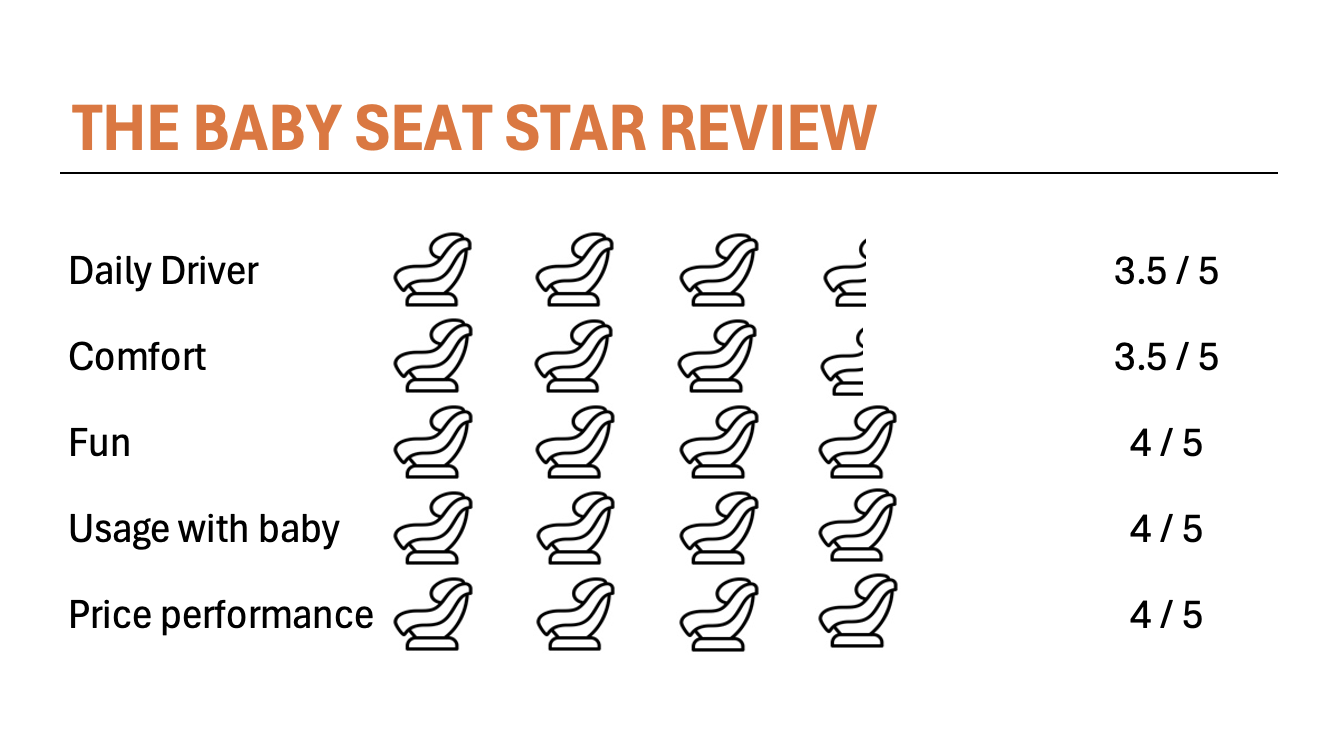
Subaru
Forester Adventure
“Off-road and Comfort combined?”
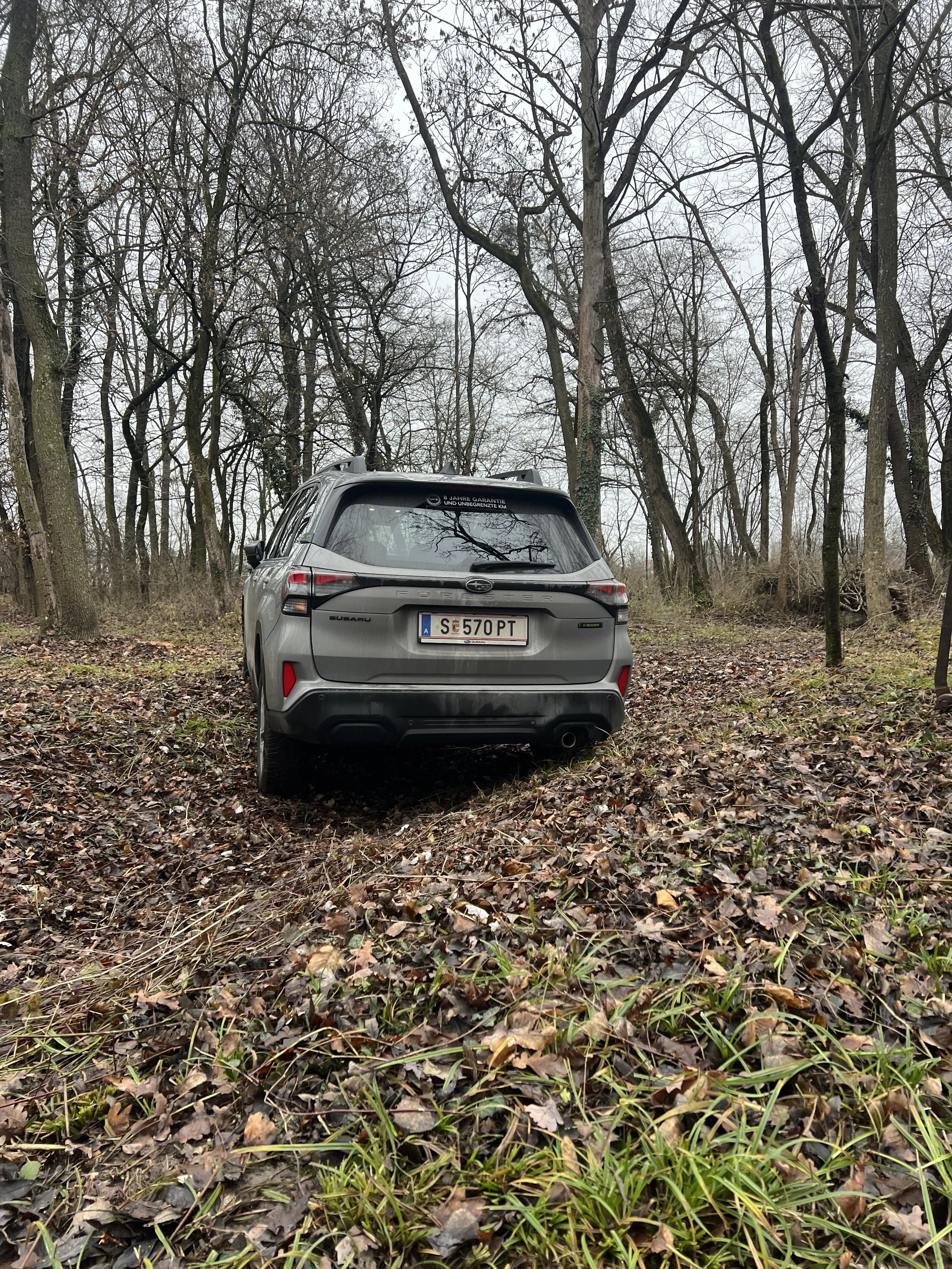
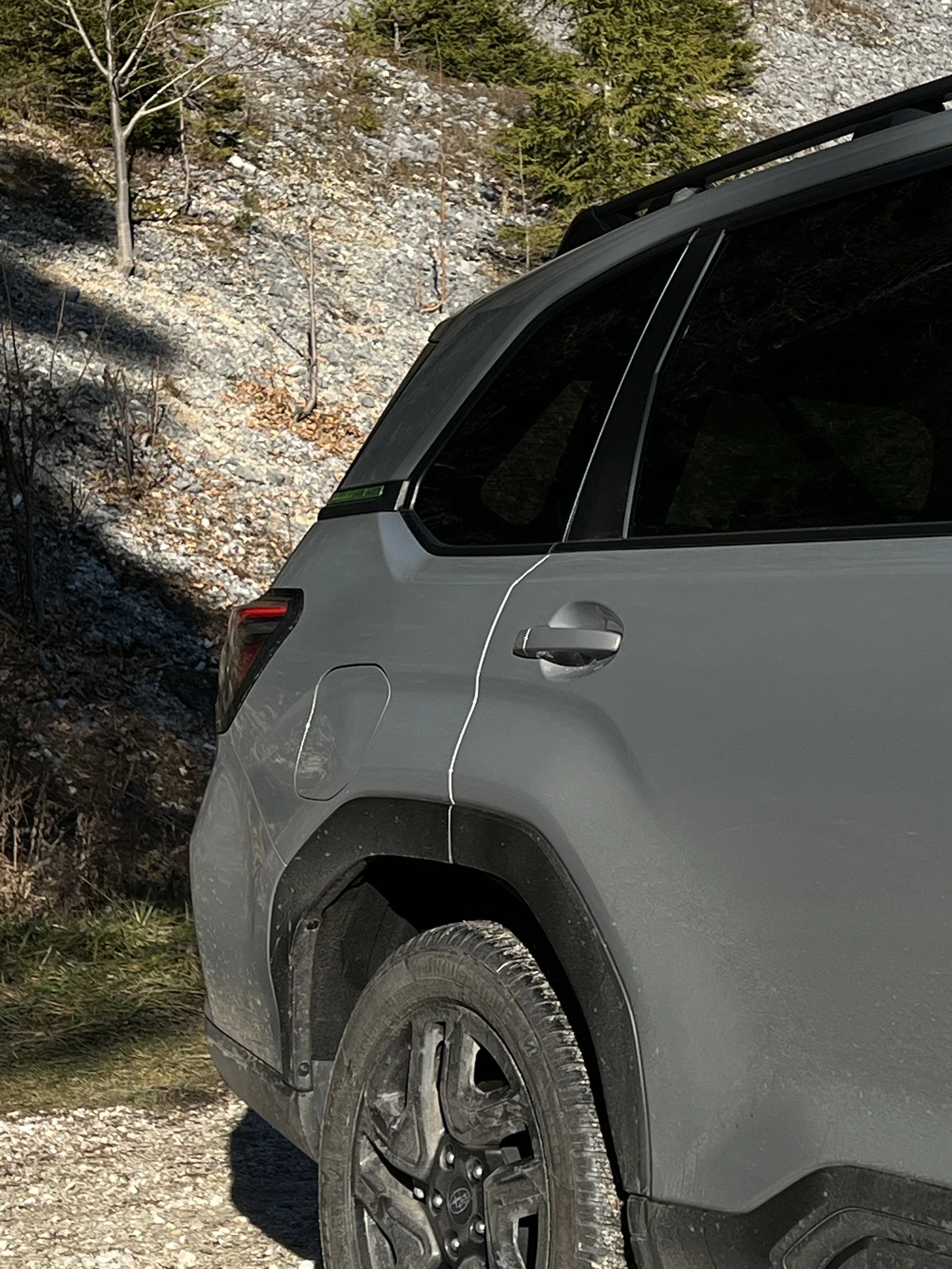
1. Design: Exactly What This Kind of SUV Should Look Like
Some SUVs try very hard to look sporty. Others try to look luxurious. The Forester Adventure feels refreshingly clear about what it wants to be.
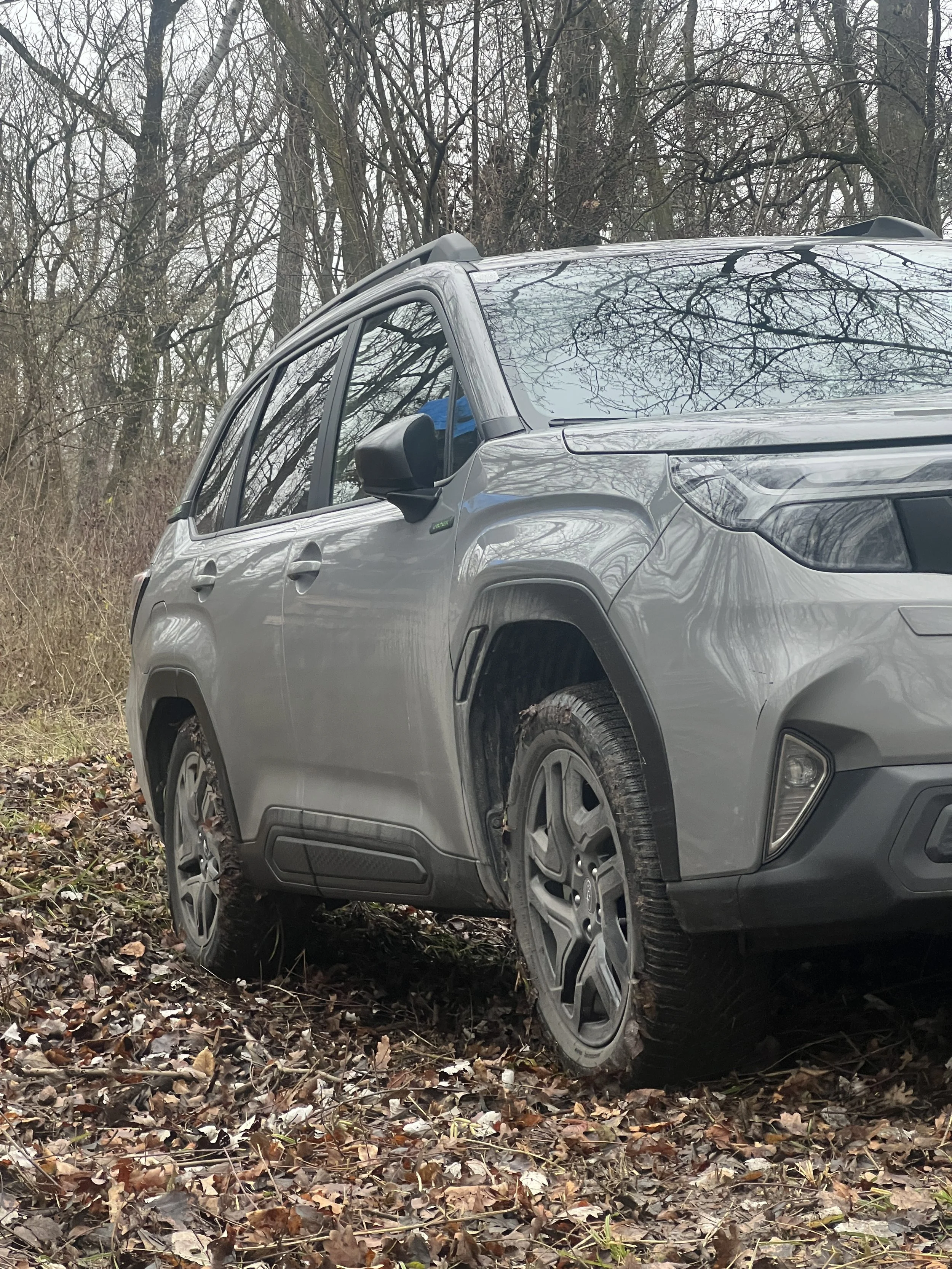
It looks like an SUV that is actually prepared to leave the road.
The proportions, body shape and Adventure details all work together without any one element trying too hard to become the main attraction. For us, that made the whole design feel extremely coherent. There was not really one particular angle or detail we disliked — the car simply looks right for what it is.
And that matters more than we expected. The Forester does not pretend to be a coupé, does not sacrifice practicality for a dramatic roofline and does not hide its outdoor character behind oversized styling tricks.
It looks capable because capability is actually part of the package.
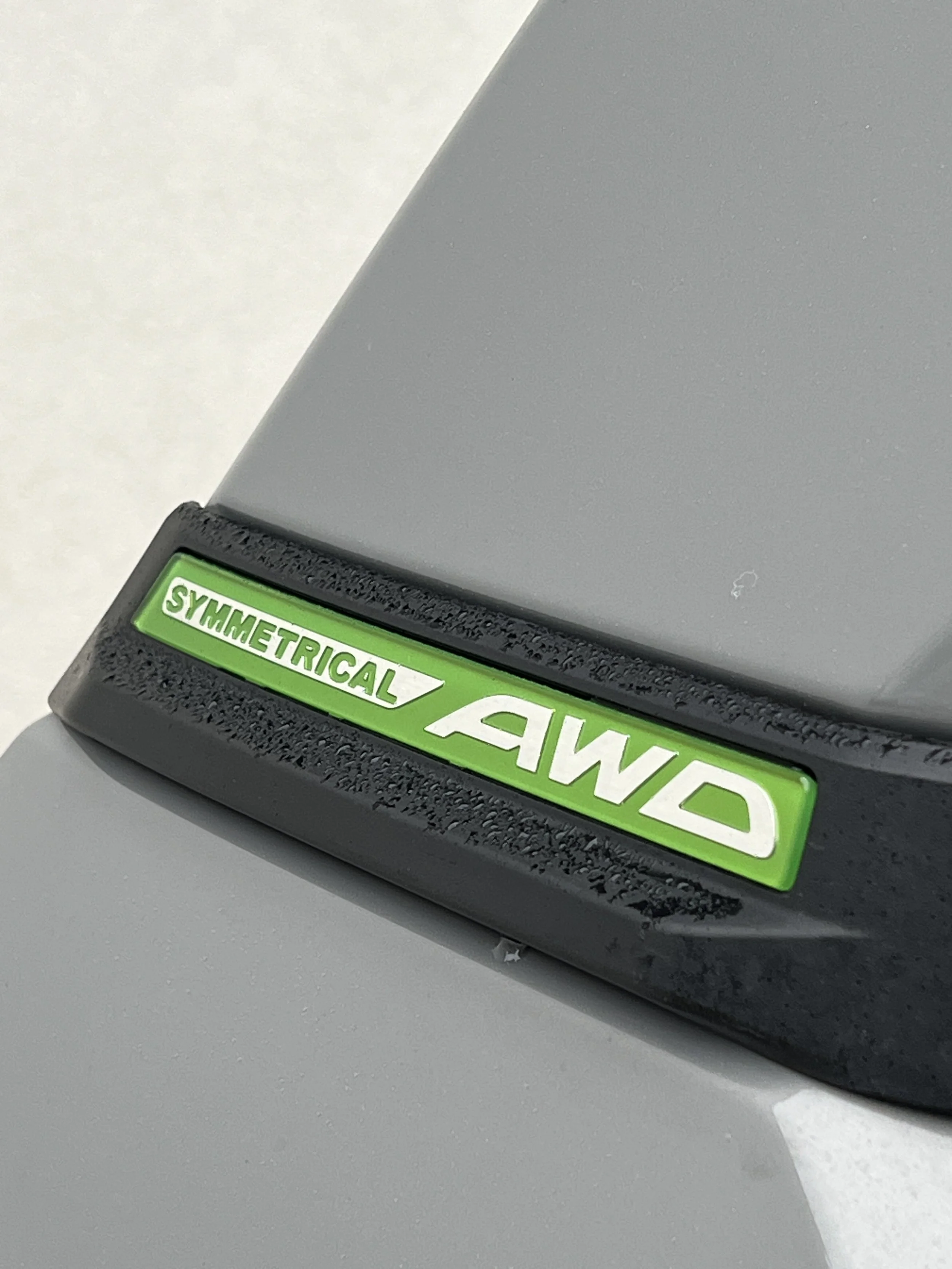
2. All-Wheel Drive: More Than an SUV Badge
This is probably the most Subaru part of the entire experience.
In a market full of SUVs that spend almost all of their lives behaving like slightly taller road cars, the Forester still feels connected to Subaru’s off-road heritage.
The all-wheel-drive system is not simply there so another specification box can be ticked. The car feels composed and secure when the surface gets worse, and there is a confidence to the way it puts its power down that suits the Forester perfectly.
For normal family driving, that translates into something very simple: reassurance.
Wet roads, gravel, snow, a muddy parking area at the beginning of a hike — these are exactly the situations where you appreciate having a car that does not suddenly become nervous once the perfect asphalt ends.
And if you actually want to take it further off-road, the Forester does not feel like you are asking it to do something outside its job description.
That is increasingly rare.
3. Hybrid Drivetrain: It Fits the Car
The hybrid system was another thing we thought worked particularly well.
Not because it turns the Forester into something dramatically different, but because it fits the overall character of the car.
Around town and during everyday driving, the electrified assistance makes the drivetrain feel smoother and more relaxed. On longer journeys, it still behaves like the kind of straightforward SUV you can simply get into and drive without thinking about charging routines.
That combination makes sense for a car like this.
The Forester is designed for people who might spend one day doing normal family errands and the next heading somewhere much further away from a charger, paved road or perfectly planned route.
A drivetrain that asks very little from the driver suits that kind of use.
It is not technology for the sake of saying the car has technology. It simply makes the Forester nicer to live with.
4. Driving: Confidence Over Drama
The Forester does not need to convince you that every school run is a racetrack.
And we mean that as a compliment.
The driving experience feels calm, predictable and confidence-inspiring. The visibility is good, the dimensions are easy to understand and the car communicates very clearly what it is doing.
That makes it particularly pleasant as a family car.
When you have a child in the back, bags in the boot and a journey of several hours ahead of you, the last thing you need is a car constantly trying to turn every input into an event.
The Forester simply gets on with it.
And when the road becomes rougher, that calm character continues. There is a feeling that the car has considerably more capability available than most families are ever likely to demand from it.
Which is exactly how we like an off-road-oriented family SUV to feel.
5. Panoramic Roof: An Easy Win With Kids
There are expensive options children will never notice.
And then there is a panoramic roof.
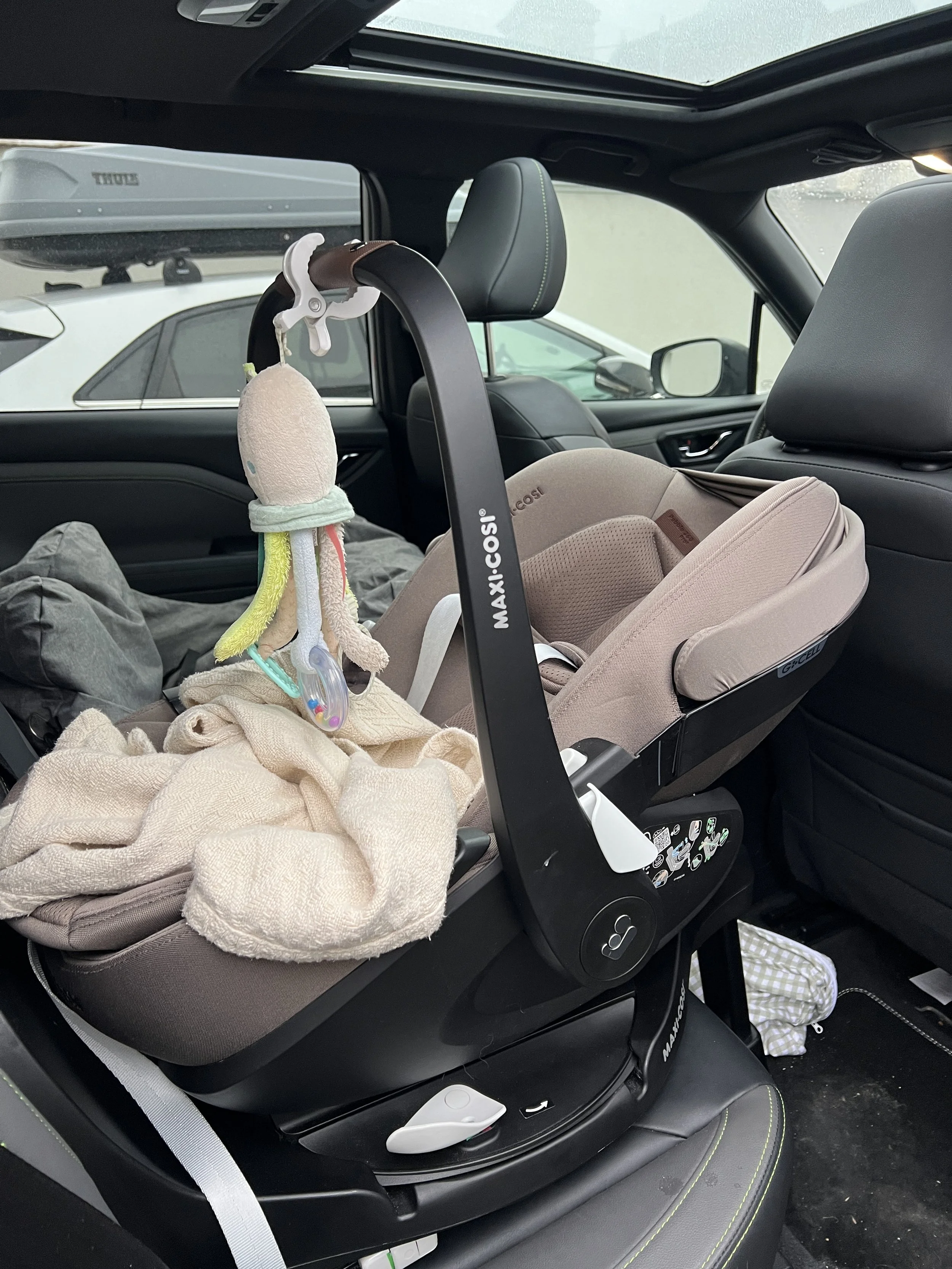
For a young child, it can turn an otherwise completely normal drive into something much more interesting. Trees, buildings, clouds, rain — suddenly there is another enormous window to look through.
Our Forester’s panoramic roof also made a noticeable difference to how the cabin felt for everyone else. It brings a huge amount of light into the interior and stops the rear seats from ever feeling dark or closed in.
That becomes especially noticeable on longer journeys.
A bright, airy cabin simply feels more pleasant when you are spending several hours inside it. And with a child sitting in the back, anything that makes the journey a little more interesting without requiring another toy, screen or snack gets bonus points from us.
Simple feature.
Very effective.
6. Family Practicality: The Shape Helps
One of the best things about the Forester is that its practical nature is visible before you even start measuring anything.
The relatively upright shape means the space inside feels usable rather than merely impressive on paper. There is good room for family life, and the cabin does not sacrifice rear space for exterior styling.
That is exactly what we want from this kind of car.
A family SUV needs to accommodate a child seat without making the front passenger regret every life decision that led to sitting there. It needs enough room for the everyday collection of bags, jackets, toys and outdoor gear, and it should be easy to load without requiring a complicated packing strategy.
The Forester fits that philosophy very well.
It also feels like the kind of car that will grow with a family. A toddler seat today, larger child seats later, bikes, hiking equipment, holiday luggage — its usefulness is not tied to one very specific stage of family life.
7. Assistance Systems: Helping Without Becoming the Main Character
Driver-assistance technology is one of those areas where more is not automatically better.
The important question is how well it works.
In the Forester, we found the assistance systems impressively mature. They felt well integrated into normal driving and, most importantly, predictable.
That last part matters.
An assistance system that constantly surprises you, intervenes too aggressively or misunderstands normal situations can quickly become more stressful than helpful. A good one should quietly support the driver and then disappear into the background.
That was largely our experience here.
On longer journeys especially, well-calibrated assistance can take some of the workload away without making you feel like you are fighting the car.
For a family road-trip car, that is exactly the balance we want.
8. Final Thoughts
The Subaru Forester Adventure is not trying to reinvent the family SUV.
It is simply very good at being one.
The design fits its purpose, the hybrid drivetrain suits the character of the car and the all-wheel-drive system gives the Forester genuine capability beyond the normal school-run-and-supermarket routine.
We also liked how complete the experience felt. The panoramic roof makes the cabin bright and enjoyable for longer journeys, the assistance systems work confidently in the background and the overall driving experience is calm enough for everyday family use without making the car feel dull.
Most importantly, the Forester still understands something many modern SUVs seem to have forgotten:
an SUV should be useful when the road stops being perfect.
It can handle normal family life during the week, take everyone away for the weekend and deal with weather or terrain that would make plenty of more fashion-focused SUVs uncomfortable.
There is no huge gimmick here.
Just a genuinely capable, comfortable and well-rounded family SUV.
And sometimes that is exactly what you want.